ウチワサボテンは食べられると聞いて、メルカリで買ってみました。
I heard that prickly pear cactus can be eaten, so I decided to buy some on Mercari.
2種類を、300円ほどで。
I bought two different types for around 300 yen.
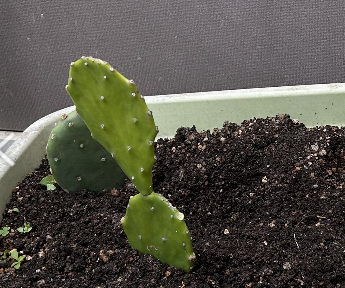
3月に庭に植えて、そのまま。
I planted them in my garden in March and simply let them grow.
夏の間、にょきにょきと成長し始めました。
Then, during the summer, they started growing rapidly.
新しい茎がぞくぞくと。
New pads started appearing one after another.
メキシコでは、ウチワサボテンが野菜として食べられていると聞いて。
I had heard that in Mexico, prickly pear cactus is eaten as a vegetable.
ノパルと呼ばれていて、メキシコ料理では一般的な食材だそうです。
It is called nopal and is a common ingredient in Mexican cuisine.
自分で育てて食べてみたくなり。
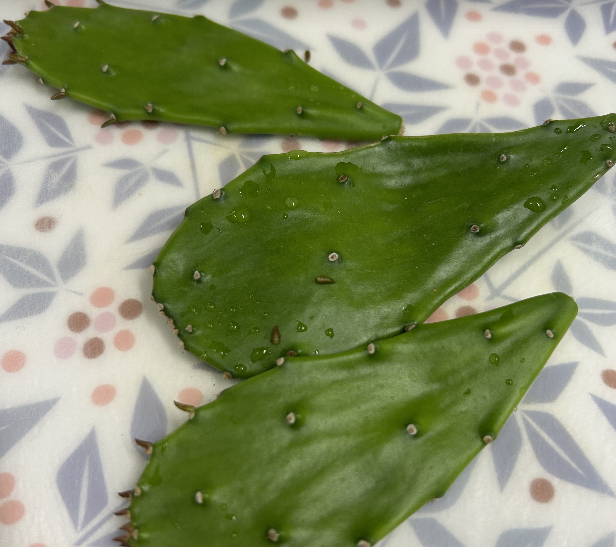
So, I decided to harvest some and try eating it myself.
初めてなので、シンプルにバター醤油で料理しました。
For my first attempt, I cooked it simply with butter and soy sauce.
てもおいしかったです!
And surprisingly, it was really good!
食感は少しオクラに似ていました。
The texture reminded me a little of okra.
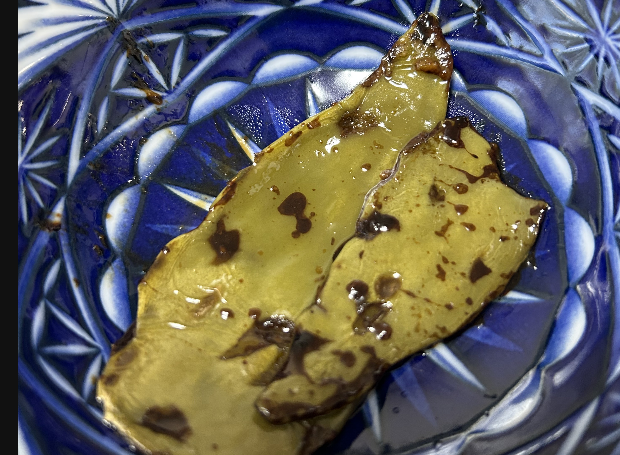
柔らかくて少しぬるっとしていて、いい感じの粘りがありました。
It was soft and slightly slimy, with a nice sticky texture.
バターと醤油がとてもよく合いました。
The butter and soy sauce went really well with it.
育てていて、もう一つ面白いことに気づきました。
Another interesting thing I noticed while growing them was this.
新しい茎の厚さは、親株によって違うようでした。
The thickness of the new pads seemed to depend on the parent plant.
厚いウチワサボテンは、厚い新しい茎。
The cactus with thick pads produced thick new pads.
一方、薄いウチワサボテンは、より薄く。
While the thinner cactus produced thinner, more slender ones.
植物って面白いですね!
Plants are fascinating!
ただし、収穫するときは絶対に注意が必要です。
However, you definitely need to be careful when harvesting them.
ウチワサボテンには、大きなトゲだけでなく、小さいトゲもあります。
Prickly pear cactus has not only large spines but also tiny, almost invisible ones.
実際に小さなトゲが指に刺さってしまい、取り除くのが意外と大変でした。
I actually got some of the small spines stuck in my fingers, and they were surprisingly difficult to remove.
それでも、楽しい経験でした。
it was a fun experience.
次は、違う料理方法でも食べてみたいです。
Next time, I’d like to try cooking them in a different way.
